Best Snorkelling Spots Near Phu Quoc Bungalows
By Phu Quoc Bungalow Owners · Updated September 2026 · 7 min read
- An Thoi archipelago (south) — the best snorkelling. Full-day boat tour, 28 km from Long Beach. Dry season visibility 8-15 m. Worth the trip.
- Long Beach offshore patches — 200-400 m out, small local boat needed. Convenient but modest. Good enough for a quick mask session.
- Northern reef (Ganh Dau area) — shallower, more sediment-affected. Secondary option on multi-day itineraries.
- Best season: November to April. December and January are peak visibility months.
- Marine life is moderate, not spectacular. An Thoi is genuinely good; Long Beach offshore is not a destination in itself.
- Gear rentals widely available. Bring your own mask if you care about fit.
Why the An Thoi Islands Are the Best Snorkelling Near Phu Quoc
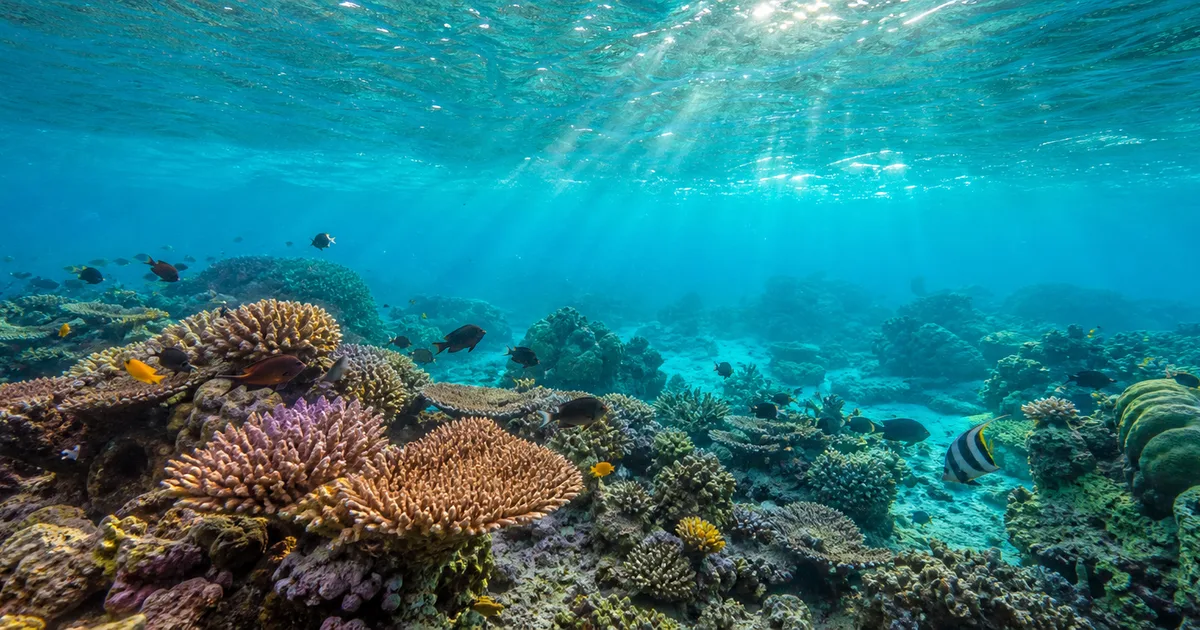
The An Thoi archipelago sits off Phu Quoc's southern tip, a cluster of about 15 small islands spread across roughly 100 square kilometres of protected water. The national park boundaries include much of this area, which means no trawling, no anchoring on the reefs, and relatively intact coral compared to what you find on the west coast close to the main beach strip.
From Long Beach bungalows the port is about 28 km by road south — around 35 minutes by motorbike or 45-50 by car. Tours depart An Thoi port from around 8:00 AM and typically call at three or four snorkelling sites before returning mid-afternoon. The most visited spots are around Hon Thom, Hon May Rut Lon, and Hon Gam. Each stop is 30-45 minutes in the water, long enough to see the main reef sections without rushing.
The coral here is a mix of hard table corals, branching staghorns, and brain coral. In good visibility you can see down 10 m easily. Fish-wise: parrotfish, sergeant majors, small reef sharks (harmless, they leave fast), and occasional turtles at the quieter sites. I should be straight about this — it is not the Great Barrier Reef. Some sections that were blasted by illegal fishing in the 1990s and early 2000s are still sparse. But the recovered areas are genuinely attractive, and on a clear December morning the light through 12 m of water is something.
One thing we tell guests: go on a weekday in January or February. Weekend tours from the cable-car resort on Hon Thom can get crowded at the popular anchorage points. A Tuesday in February is a different trip from a Saturday in April.
Which Smaller Islands Have Good Reef Access?
Within the An Thoi group, Hon Thom (Pineapple Island) is the most developed — it has a cable car from the southern tip of Phu Quoc mainland, a beach club, and regular ferry service. The resort crowds congregate on the main beach. Snorkelling tours anchor at the eastern and northern edges of the island where the reef sits undisturbed and the cable car tourists don't reach.
Hon May Rut is a pair of islands (Hon May Rut Lon and Hon May Rut Nho) about 8 km southeast of An Thoi port. The water between them is shallow — 3-6 m — with a sandy bottom and scattered coral heads. Good for beginners or guests who aren't confident swimmers; the depth is manageable and the current is light in dry season. Hon Gam, further south, has steeper drop-offs and better coral density but is on fewer standard tour itineraries. Worth asking specifically for a Hon Gam stop when you book.
There are also a handful of rocky outcrops between the islands that tour boats avoid marking on their brochures — they anchor near them and the guides jump in with you. These unnamed spots sometimes have better marine life than the named anchoring points because fewer boats disturb them. Ask your guide to show you "the rock" rather than sticking to the official circuit.
Can You Snorkel Directly from Long Beach?
Yes, but go in with honest expectations. There are coral patches 200-400 m offshore from the central Long Beach strip, and in dry season the water is calm enough to swim out or take a short ride on one of the small wooden fishing boats that operate from the beach (usually 50,000-80,000 VND per person for a 30-minute ferry, though negotiate before you get in).
Visibility in December and January is typically 3-6 m here — noticeably less than An Thoi, partly because of the sand and seagrass beds that stir up in any swell, partly because the west coast near town sees more boat traffic. You'll see fish. Some coral. Probably nothing you haven't seen in Thailand or the Philippines if you've snorkelled before. That said, it's right outside the bungalow and takes 20 minutes rather than a full day. Some guests do it every morning before breakfast and are happy. It's a different activity from a dedicated reef trip — more like swimming with occasional fish than exploring a reef.
The southern end of Long Beach near Bai Sao generally has cleaner water than the northern stretch near Duong Dong, where river runoff can cloud things during and after rain. If you want the best shot at decent visibility off Long Beach, stay south and go in the morning before any wind picks up. See the full beach guide for more on Long Beach conditions.
Is the Northern Reef Worth Visiting?
The northern tip of Phu Quoc near Ganh Dau and the small islands off the northwestern cape has reef areas, but they are consistently second to the south. The water is shallower (2-5 m at most spots), sediment from nearby river outflows in Cambodia reduces clarity, and the reef structure was more heavily disturbed by historical fishing activity. Visibility averages 3-5 m even in dry season.
A handful of dive operators run northern itineraries as multi-day packages, combining the north with An Thoi sites to offer variety across several days. If you are spending a week or more on the island and have done the southern islands, the north adds something different rather than something better. For a one-time snorkelling day trip, it is not the destination to choose.
Getting there from Long Beach bungalows is also longer — about 35-40 km to the northern cape compared to 28 km to An Thoi port. Dedicated boat tours from Duong Dong port to the north exist but are less frequent than the southern circuit. Most guests who explore the north do so by renting a motorbike and riding up the coastal road, which is worthwhile for the scenery alone. See all area guides here.
What Are Boat Snorkelling Tours Actually Like?
The standard An Thoi snorkelling tour runs about 8 hours: pick-up or self-transfer to An Thoi port by 8:00 AM, boat departure around 8:30-9:00, three or four snorkelling stops, lunch on board, and return to port by 4:00-4:30 PM. Some operators add squid fishing at a reef in the late afternoon before returning — this is popular but optional.
Shared tours (the norm) run 350,000-600,000 VND per person in 2025-2026. That typically includes the boat, basic snorkelling gear, lunch, and a fruit break. Cold drinks are usually extra. Private charters are available at roughly 3-5 million VND for the whole boat (fits 8-10 people), which makes sense for families or groups who want to choose their own stops and pace.
We organise tours for guests directly. The operator we use consistently — Minh Tours out of An Thoi — has boats with shade canopies, life jackets that actually fit, and guides who speak usable English. There are cheaper options at the port where you book on the day; quality varies a lot. I've had guests come back happy from those too, but I wouldn't guarantee it. If you want us to book for you, let us know at check-in and we'll set it up the night before.
One practical note on the An Thoi port transfer: from our bungalows it is 28 km south by road. We can arrange a shared transfer (usually 80,000-100,000 VND per person each way, depending on group size), or you take a Grab car for 120,000-160,000 VND. Motorbike is also fine if you're comfortable riding — park at the port for free.
When Is Visibility Actually Good for Snorkelling?
The dry season — November through April — is when snorkelling conditions are best across all sites. Visibility at An Thoi peaks in December and January at 10-15 m. February and March are nearly as good. By late April the wind pattern begins to shift and you start getting occasional chop on the south coast; tours still run but conditions are less reliable.
May through October is the southwest monsoon season. Boat tours to An Thoi can still run in May and early June in calm spells, but operators cancel frequently. By July-September the southern boat circuit is mostly shut for safety. Visibility drops to 2-4 m across most sites even on calm days because of river runoff and wave mixing. This is not a good time to come specifically for snorkelling.
One micro-season quirk: early November, right at the start of the dry season, can have outstanding visibility as the monsoon sediment settles fast once the wind turns. Some of the clearest water I've seen off An Thoi was a November 3rd, water temp 29°C, 14 m down before colour starts to fade. Not guaranteed, but if you arrive in early November and the weather cooperates, don't wait — go straight to An Thoi.
Water temperature stays between 27°C and 30°C year-round. No wetsuit needed. A rash guard is worth wearing for sun protection on the boat deck during a full day out. See the Bai Sao beach guide for southeast coast conditions in wet season.
What Gear Do You Need, and What Can You Rent?
All organised boat tours include mask, snorkel, and fins in the price. If you book independently on the day at An Thoi port, confirm gear is included before paying. Rental quality varies — some operators have newer kit, others are running decade-old masks with perished silicone. Fins are usually functional regardless of age.
Along Long Beach, mask and fins can be rented from beach vendors or dive shops for 30,000-50,000 VND per day. Bring your own if you snorkel more than once a year. A mask that actually seals properly makes a bigger difference to the experience than anything else. If you wear prescription glasses, a prescription mask is worth buying at home — the shops on Phu Quoc don't carry them.
Reef-safe sunscreen: some An Thoi operators ask for it or provide it on request. Chemical sunscreens (oxybenzone-based) bleach coral. Mineral sunscreen or a long-sleeve rash guard is the practical answer. We keep a tube of mineral SPF 50 at the front desk — guests are welcome to borrow it.
Underwater cameras: GoPro works well in the shallows at An Thoi. A cheap waterproof phone case is fine for reef fish at 2-4 m depth. At 8-12 m the colour shifts toward blue-green without a red filter or video light, which most phone setups don't carry. Manage expectations on photo quality in deeper water.
Snorkelling Spots at a Glance
All distances are by road from the central Long Beach bungalow area:
| Location | Distance | Visibility (dry season) | Depth | How to reach |
|---|---|---|---|---|
| An Thoi archipelago | 28 km to port, then boat | 8-15 m | 3-15 m | Full-day boat tour from An Thoi port |
| Long Beach offshore patches | 200-400 m from shore | 3-6 m | 2-6 m | Swim or local wooden boat (~50,000-80,000 VND) |
| Northern reef (Ganh Dau area) | 35-40 km north | 3-5 m | 2-5 m | Motorbike + local boat; multi-day tour |
Frequently Asked Questions
Where is the best snorkelling near Phu Quoc bungalows?
The An Thoi archipelago in the far south of Phu Quoc is the best snorkelling location near the island's bungalows — water visibility reaches 8-15 m in the dry season, hard coral coverage is higher than anywhere else around Phu Quoc, and the islands are reachable on a full-day boat tour departing from An Thoi port, about 28 km by road from Long Beach bungalows.
What is the best season for snorkelling in Phu Quoc?
The dry season from November to April is the best time for snorkelling in Phu Quoc. Visibility is clearest in December and January, regularly reaching 10-15 m at the An Thoi islands. From May onwards the southwest monsoon stirs up sediment and raises chop on the west coast, dropping visibility to 2-4 m on average and making boat trips to the southern islands rougher.
Can I snorkel directly from Long Beach without a boat?
You can snorkel from Long Beach, but the experience is modest. There are scattered coral patches 200-400 m offshore reachable by small local wooden boats or a short swim in calm conditions. Visibility in the dry season is usually 3-6 m — enough to see some fish and coral, but nothing like the southern islands. It is a convenient option if you just want to get wet with a mask and fins, not a destination in itself.
How do I book a snorkelling boat tour from Phu Quoc?
Snorkelling boat tours can be booked through any hotel, guesthouse, or tour agent on Long Beach — they operate daily in the dry season and depart from An Thoi port in the south. Prices in 2025-2026 typically run 350,000-600,000 VND per person for a shared full-day trip including 3-4 snorkelling stops, lunch on board, and sometimes squid fishing in the evening. Check current rates, as prices shift with fuel costs and group size.
Is snorkelling gear available to rent on Phu Quoc?
Snorkelling gear is widely available on Phu Quoc. Mask and fins can be rented from beach vendors along Long Beach for roughly 30,000-50,000 VND per day, and all boat tour operators include basic gear in the price. If you snorkel regularly, bringing your own mask is worth it — rental masks often have worn-out silicone that leaks.
How honest should I be about the marine life at Phu Quoc?
Phu Quoc's reefs are moderate, not spectacular. You will see coral, sergeant fish, parrotfish, and occasional reef sharks at An Thoi, but the biodiversity is lower than Thailand's Similan Islands or the Philippines. Years of dynamite fishing before the national park protections took hold left parts of the reef patchy. That said, An Thoi in dry season is genuinely good — clear, colourful, and worth the day trip.
Which small islands near Phu Quoc are good for snorkelling?
The most reliably good snorkelling spots around the smaller islands are Hon Thom (Pineapple Island), Hon May Rut, and Hon Gam within the An Thoi group at Phu Quoc's southern tip. Hon Thom has a cable car from the mainland that some day visitors use, but the boat approach gives you access to the reef edges that the beach crowds miss.
Is there good snorkelling in the north of Phu Quoc?
The north has reef areas around Hon Doi Moi and the cape near Ganh Dau, but they are shallower and more affected by river sediment than the southern islands. Some dive operators include northern stops on multi-day itineraries. For a single snorkelling day trip, the An Thoi archipelago in the south is the better choice — cleaner water and harder coral.
What should bungalow guests bring for a snorkelling day?
For a full-day snorkelling trip from a Phu Quoc bungalow, bring reef-safe sunscreen (the boat operators appreciate it and some require it), a rash guard or thin long-sleeve shirt for sun protection on the boat deck, a dry bag for your phone, cash for tips and drinks, and your own mask if you have one. Lunch is typically included in the boat tour price but cold drinks are often extra.
About the Authors
We've been running bungalows on Long Beach since 2018. Snorkelling questions come up at almost every check-in during dry season, and we've heard enough returned-trip reports — good and disappointed — to know what actually needs saying before guests book a boat. This guide is that conversation written down. If you're back from An Thoi and something here doesn't match what you found, tell us and we'll update it.
Related Guides
Best Beaches Near Bungalows on Phu Quoc
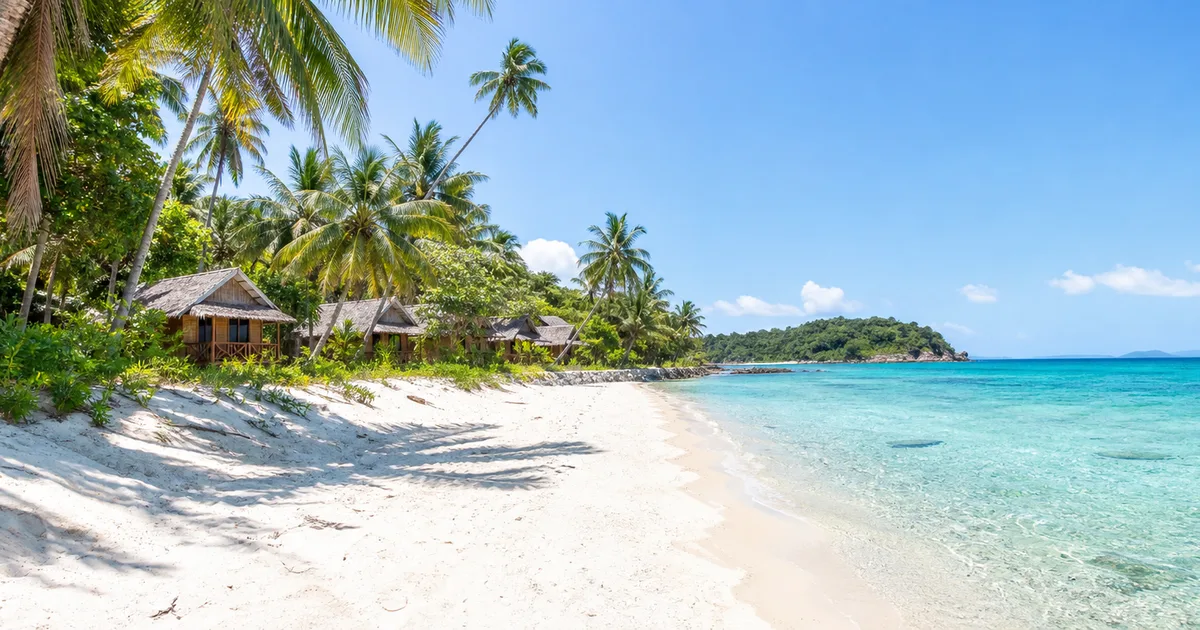
Long Beach, Ong Lang, Bai Sao, and Bai Khem — distances, swimming seasons, and what each beach actually suits from a bungalow base. Read the guide →
Bai Sao Beach Guide for Bungalow Stays
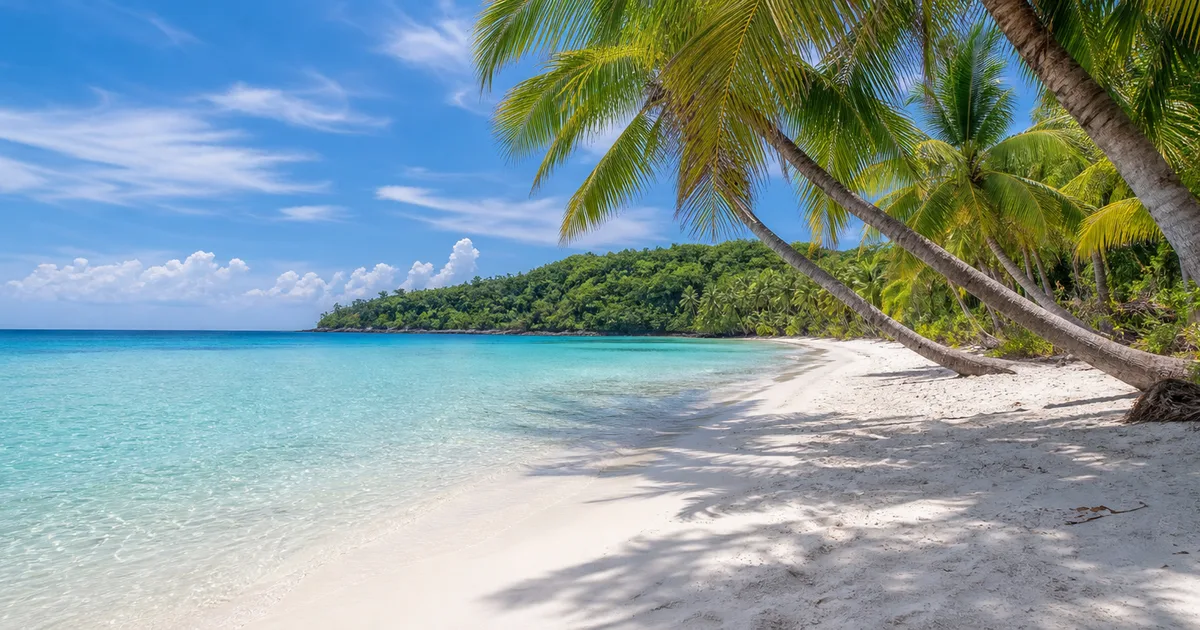
Everything about Phu Quoc's most-photographed southeast beach: how to get there, what the water is like, where to eat, and whether it's worth the 25 km ride. Read the guide →
Ong Lang Beach — Bungalow Area Guide
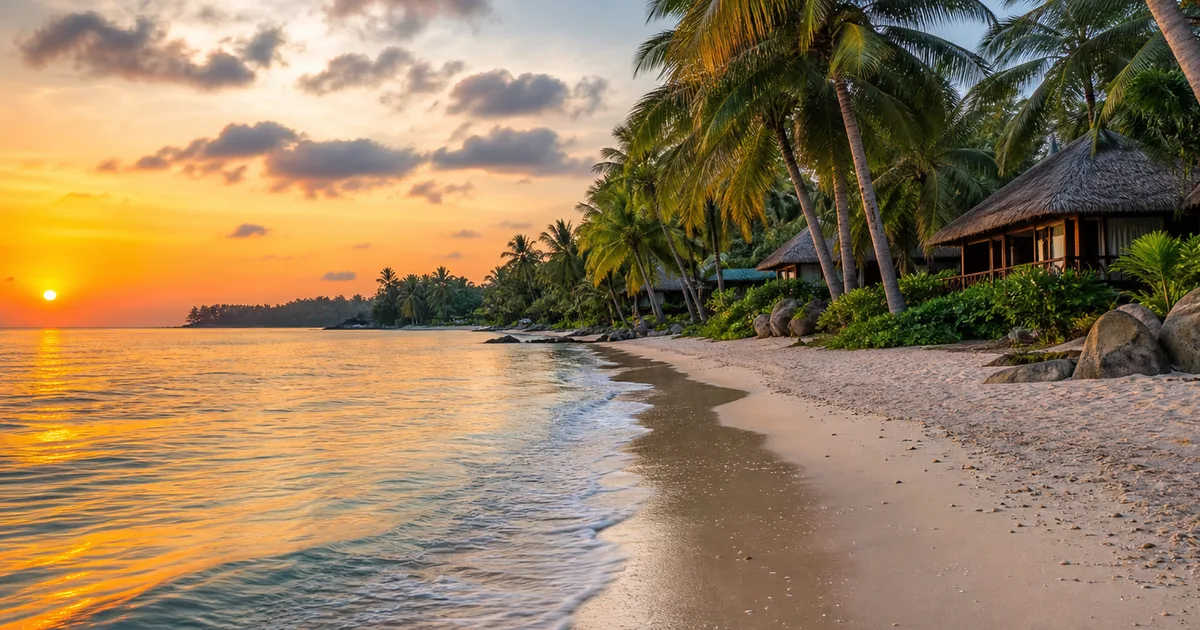
The calm bay 8 km north of Long Beach: what the area is like, the reef access, and how it compares to the main strip for a bungalow base. Read the guide →
Ready to Book Your Phu Quoc Bungalow?
WhatsApp us your dates and preferred area — we'll confirm availability and the best direct price in 15 minutes. No OTA fees, free cancellation 7 days before.
★ 4.8/5 from 184 guests • Direct booking saves 15-20% • Free cancellation 7 days before
Last updated: