Phu Quoc Rainy Season Bungalow Tips — What to Actually Expect (May–Oct)
By Phu Quoc Bungalow Owners · Updated August 2026 · 7 min read
- Rain falls mostly in the afternoon (2–6 PM) — mornings are usually clear and warm.
- Bungalow rates drop 25–40% vs. peak season. Beach is much less crowded.
- West-coast swimming (Long Beach) gets rough June–September; Bai Sao (east coast) stays calm for a day trip.
- Jellyfish appear irregularly from August onward — a rash vest is the practical fix.
- Pack light rain gear, quick-dry clothes, and shoes you can rinse. Skip the heavy waterproof coat.
- AC matters. Book a bungalow with air conditioning if you visit June–October.
In This Guide
- What the rain actually looks like day to day
- Prices and crowds — the real upside
- Sea conditions: honest truth about Long Beach and Bai Sao
- Jellyfish: when they show up and what to do
- What still works well in rainy season
- What to pack for a wet-season bungalow stay
- Dry vs. rainy season at a glance
- Frequently asked questions
What Does "Rainy Season" Actually Mean Day to Day?
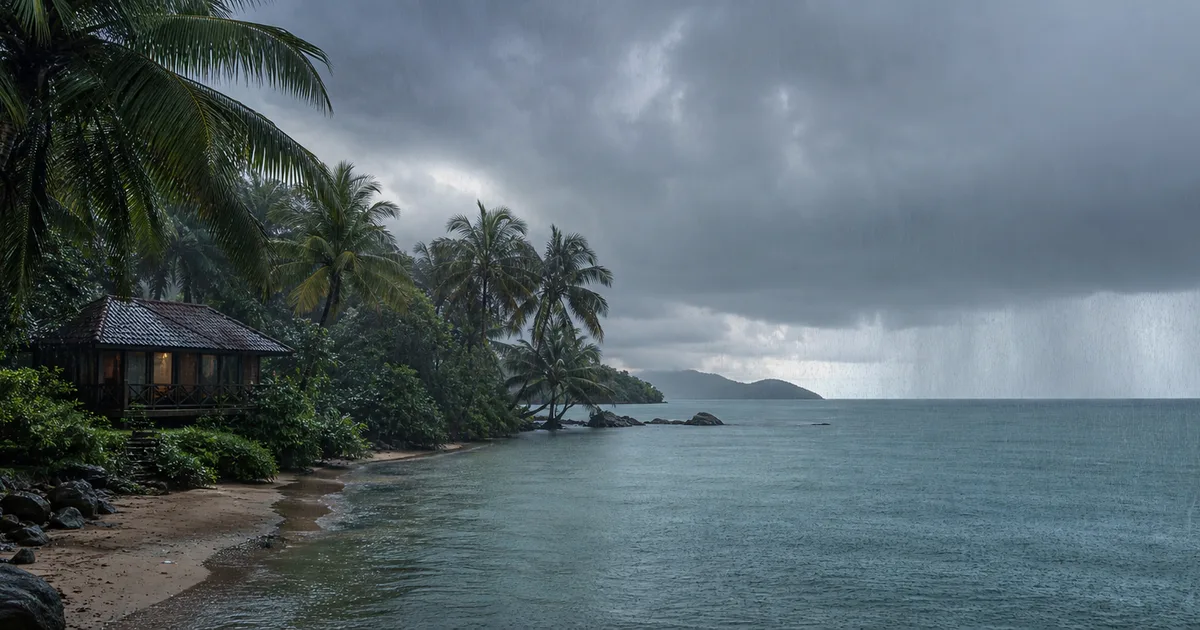
The southwest monsoon arrives around May and runs through October. That phrase conjures solid grey skies and miserable weeks indoors, which is not what Phu Quoc delivers. The pattern is more like this: clear morning, clouds building through midday, heavy downpour sometime between 2 PM and 6 PM lasting 30–90 minutes, then easing off. By evening you can often sit outside again.
May and early June are the gentlest months of the wet season — short showers, still manageable seas, greenery starting to come up. August and September are the roughest: highest rainfall totals, longest storm systems, sea at its choppiest. October starts calming again.
The practical upshot is that mornings are your outdoor window. We tell guests to do anything beach-dependent or motorbike-dependent before noon. Use the afternoon rain to nap, eat, or read on the bungalow porch — the sound of it on the roof is genuinely one of the better parts. By 7 PM the night market in Duong Dong is running fine regardless of what fell that afternoon.
Prices and Crowds — the Part Nobody Mentions in the Tourism Brochures
Our wet-season rates run roughly 25–40% below peak. A bungalow that goes for $55 in December typically costs $33–42 in June–September. If you are flexible on timing and value space and quiet over guaranteed flat seas, this is genuinely the best value window of the year. Current seasonal rates are on the pricing page.
The crowd difference is real too. Long Beach in January has sunbeds touching end to end on the popular stretch and you will queue for the better restaurants. In July, you can walk that same stretch and pick your spot. Some of our guests specifically book July or August for this reason — they have been here before in peak season and prefer the quieter version even accounting for the weather.
One thing that genuinely does not change: the bungalow itself. The garden is greener, actually. Our Na (noni) trees and banana palms look their best in August. The frogs come out at night after the rain, which not everyone loves but enough guests have mentioned it positively that I keep noting it.
Sea Conditions: What Long Beach and Bai Sao Look Like in the Wet Months
Long Beach faces west and takes the southwest monsoon head-on. From June through September, swells of 0.5–1 m are common, occasionally larger during a storm system passing north of the island. Swimming is possible on calmer days, but the water is not the flat, glassy surface you get in December. Seagrass and surface debris wash in after storms, which is unpleasant to swim through. Some guests still go in daily; others check the sea at breakfast and decide.
Bai Sao is a different story. It sits on the southeast coast, facing away from the monsoon, and stays relatively calm throughout the wet season. The ride from our bungalows is about 25 km by road — 35–45 minutes on a motorbike. Go in the morning. The road passes through rubber-tree forest that smells particularly good after the overnight rain, and Bai Sao itself will have maybe a dozen people on it in August rather than the weekend crowds. Comparison of dry vs. wet season conditions here.
Snorkelling day-trips to the An Thoi archipelago (the southern islands) depend entirely on sea state. Operators cancel when conditions are poor, and in July and August that happens regularly. If this is a priority activity, add a dry-season trip to your plans or build in flexibility.
Jellyfish: When They Show Up and What to Do
Jellyfish appear irregularly on the west coast from around August through October. Some weeks the sea is clear; others you will find them in numbers. The two species we see most often are box jellyfish — transparent, small, with a sting that ranges from mildly irritating to genuinely painful — and moon jellyfish, larger, blue-purple, generally less venomous but unpleasant to brush against.
A lycra rash vest is the sensible precaution. It covers most exposed skin and costs about 150,000–250,000 VND at the shops on the beach road. Buy two. You will wish you had a dry one to change into after your morning swim. Stinger suits exist but are overkill for casual swimming — the rash vest handles 90% of what you will encounter.
We keep a supply of vinegar at the bungalows for exactly this reason. If you get stung, pour it on (do not rub). That said, a bad box jellyfish sting can require more than home treatment — our guest contacts for the nearest clinic in Duong Dong are pinned at reception.
What Still Works Well in Rainy Season
Quite a lot, honestly. The national park trails in the centre and north of the island are cooler and the vegetation is at its peak — better for hiking in June than in dry January when the paths are dusty. The Duong Dong night market runs regardless of afternoon weather and is noticeably calmer in the wet months, which makes it easier to actually talk to the vendors and look at things properly rather than shuffling through a crowd.
Fish sauce factory tours and pepper farm visits near the south of the island are year-round and genuinely interesting. The factory smell is exactly what you expect. We recommend the Hung Thanh fish sauce operation specifically — it is the one where the guide lets you taste the different aging stages. Ask us for the current contact when you arrive.
Bai Sao beach trip, as mentioned above, works most mornings. The Sim Island boat trips run when sea state allows — maybe 60% of days in July–August, more in May–June and October. The night squid fishing boats operate weather-permitting too, and the wet season coincides with good squid runs; guests who have done it in September often say it was a highlight despite the conditions.
If you want a full packing breakdown for wet-season activities, the packing list post covers both seasons in more detail than this article has space for.
What to Pack for a Wet-Season Bungalow Stay
Over-packing rain gear is the single most common mistake we see. Temperatures stay 28–33°C and the humidity is high — a heavy waterproof jacket will make you sweat more than the rain would have wet you. What actually works:
- A lightweight packable rain layer — the kind that folds into its own pocket. You want it for motorbike rides when a short storm catches you en route.
- Quick-dry clothes in darker colours. Light-coloured linen looks great but shows every mud splash from the road.
- Sandals that drain. Flip-flops work but closed sandals with drainage holes (Chacos, Tevas) are better for uneven wet paths.
- Rash vest — one per person, two ideally.
- A dry bag or waterproof phone case. The condensation from air-con bungalows combined with outdoor humidity kills unprotected phones over a two-week stay.
- A compact umbrella. Not for rain walking — for the 10-minute dash from a restaurant to your motorbike or the market stall.
Leave the good trainers at home. You will be rinsing your footwear daily.
Dry vs. Rainy Season — At a Glance
A quick comparison to help decide which season suits you:
| Factor | Dry season (Nov–Apr) | Rainy season (May–Oct) |
|---|---|---|
| Bungalow price | Full rate; Dec–Jan books out 6–7 weeks ahead | 25–40% lower; last-minute often available |
| Long Beach swimming | Flat, clear, warm — ideal Nov–Feb | Rough Jun–Sep; variable May and Oct |
| Bai Sao swimming | Good year-round | Good year-round (sheltered from monsoon) |
| Crowd level | High Dec–Jan; moderate Feb–Apr | Low — notably quieter on beach and in town |
| Jellyfish risk | Rare | Irregular Aug–Oct; rash vest advised |
| Island tours / snorkelling | Reliable; boats run most days | Weather-dependent; cancellations in Jul–Aug |
Frequently Asked Questions
When is the rainy season on Phu Quoc?
The rainy season on Phu Quoc runs from May through October, driven by the southwest monsoon. Rain falls mostly in the afternoon and evening — mornings are usually dry and usable. Total monthly rainfall peaks in August and September, but even then the island rarely sees all-day downpours.
Is it worth visiting Phu Quoc in the rainy season?
Yes, for the right traveller. Bungalow rates drop 25–40% compared to December–January peak, crowds thin out significantly, and mornings are still good for the beach and sightseeing. The tradeoff is rougher west-coast seas, occasional jellyfish from August onward, and the need to plan outdoor activities in the morning window.
How rough does the sea get at Long Beach in rainy season?
Long Beach faces west and takes the southwest monsoon directly. From June through September swells of 0.5–1 m are common, occasionally larger during storm systems. Swimming is possible on calmer days but the water is not the flat, clear conditions you get in December–January. Seagrass and surface debris wash in after storms.
Are there jellyfish in Phu Quoc during rainy season?
Jellyfish appear irregularly on the west coast from around August through October. Some weeks the sea is clear; others you will find them in numbers. The species we see most often are box jellyfish (transparent, small) and moon jellyfish (larger, blue-purple, generally less venomous). A lycra rash vest is the sensible precaution — it covers most exposed skin.
Can I still swim at Phu Quoc in the rainy season?
Yes — Bai Sao on the southeast coast stays relatively calm throughout rainy season because it faces away from the southwest monsoon. A day trip there (about 25 km by road from Long Beach, 35–45 minutes on a motorbike) gives you flat, clear water even in August. West-coast swimming is hit-or-miss from June to September.
How much cheaper are bungalows in rainy season?
Our wet-season rates run roughly 25–40% below the December–January peak. A bungalow that costs $55 at Christmas typically goes for $33–42 in June–September. Check our current pricing page for exact figures — rates shift with occupancy.
What should I pack for a rainy season stay in a bungalow?
The short list: a lightweight waterproof layer (not a heavy coat — temperatures stay 28–33°C), quick-dry clothes in dark colours that hide mud, sandals that drain rather than sponge up water, a rash vest for jellyfish cover, a dry bag for your phone and documents, and an umbrella small enough for a day bag. Over-packing rain gear is the most common mistake — you will sweat more than you get rained on.
Does it rain all day in Phu Quoc rainy season?
No. Rain in Phu Quoc during the wet season follows a fairly predictable pattern: clear mornings, clouds building from midday, rain arriving most afternoons between 2 PM and 6 PM, then clearing again by evening. A typical shower lasts 30–90 minutes. You can run most outdoor activities in the morning and use the afternoon rain as a rest window.
What activities still work well in rainy season on Phu Quoc?
Quite a lot: the Phu Quoc National Park trails are cooler and greener in the wet months; the Duong Dong night market runs regardless of weather; fish sauce factory tours are year-round; a day trip to Bai Sao beach works most mornings; and the local pepper farms around the south of the island are worth the ride. Snorkelling day-trips to An Thoi islands are weather-dependent — operators cancel when sea state is poor.
How does rainy season affect bungalow life specifically?
The main practical difference is humidity. Bungalows without air-con become genuinely uncomfortable in August–September when humidity peaks above 85%. We recommend booking a unit with AC if you are visiting June–October. The other thing: sand paths and garden areas stay muddy — pack shoes you are happy to rinse off, not your good trainers.
About the Authors
We have owned and run bungalows on Long Beach since 2018, which means we have spent eight wet seasons here — the good bits and the frustrating ones. This article is the conversation we have at check-in with guests who arrive in June wondering what they have walked into. If you find something here that does not match current conditions on the ground, message us and we will update it.
Related Guides
Phu Quoc Dry Season Bungalow Travel Guide
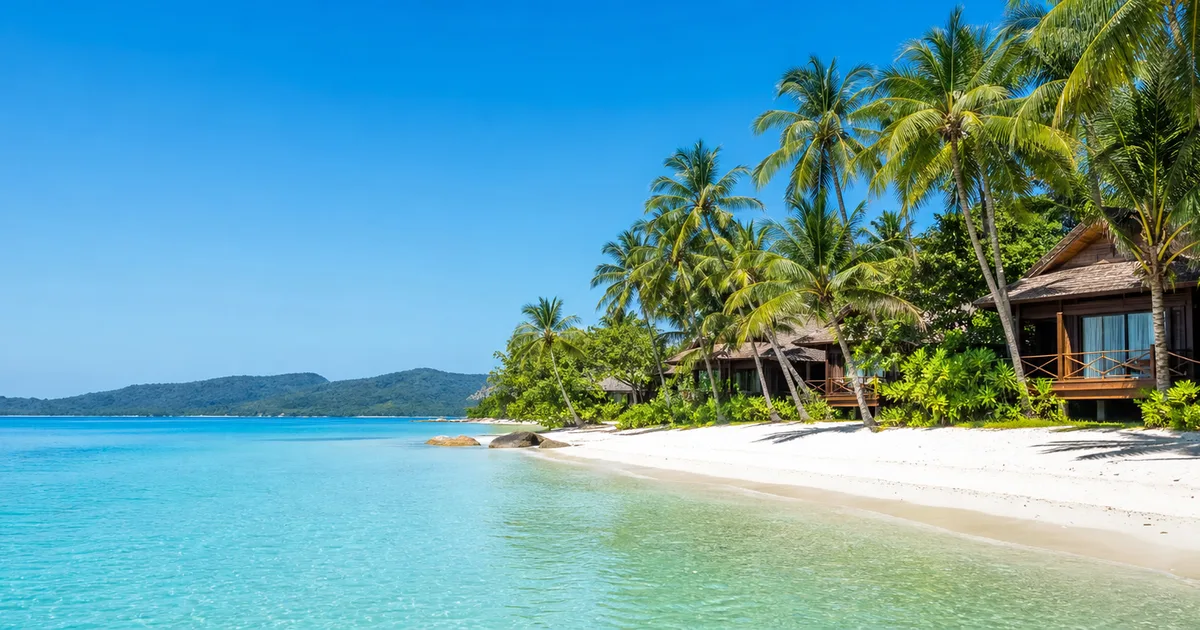
November to April on Phu Quoc — what the weather is actually like week by week, which activities work, and how early to book for peak months. Read the guide →
Phu Quoc Bungalow Packing List
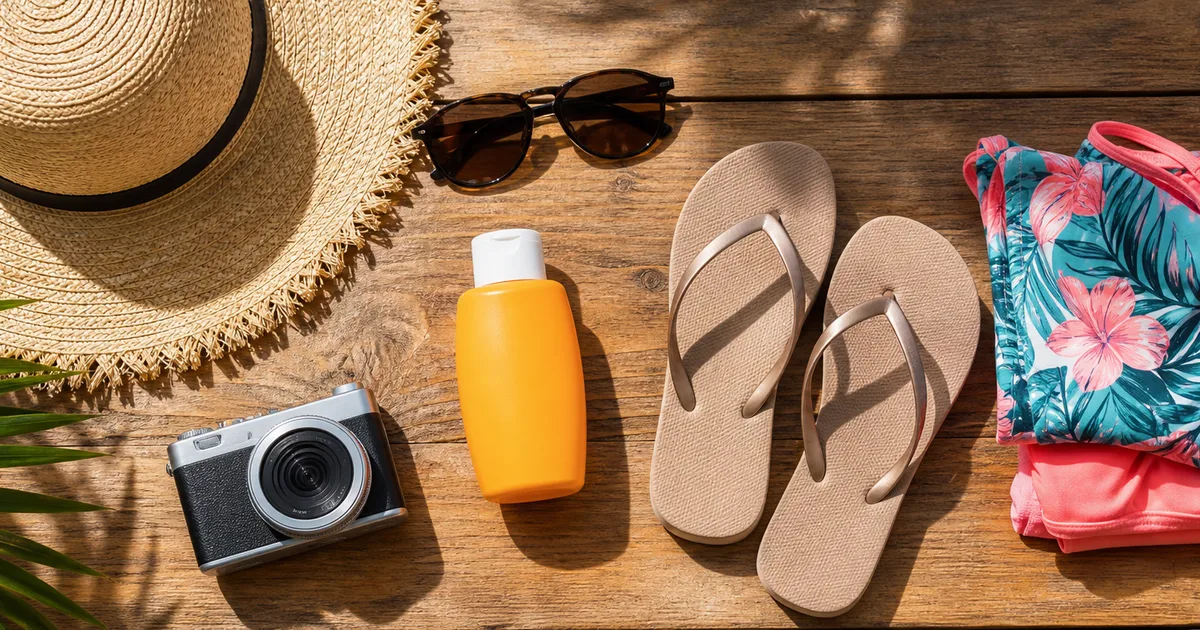
Full packing list for both seasons — dry and wet — including what most guests wish they had brought and what they could have left behind. Read the guide →
Best Beaches Near Bungalows on Phu Quoc
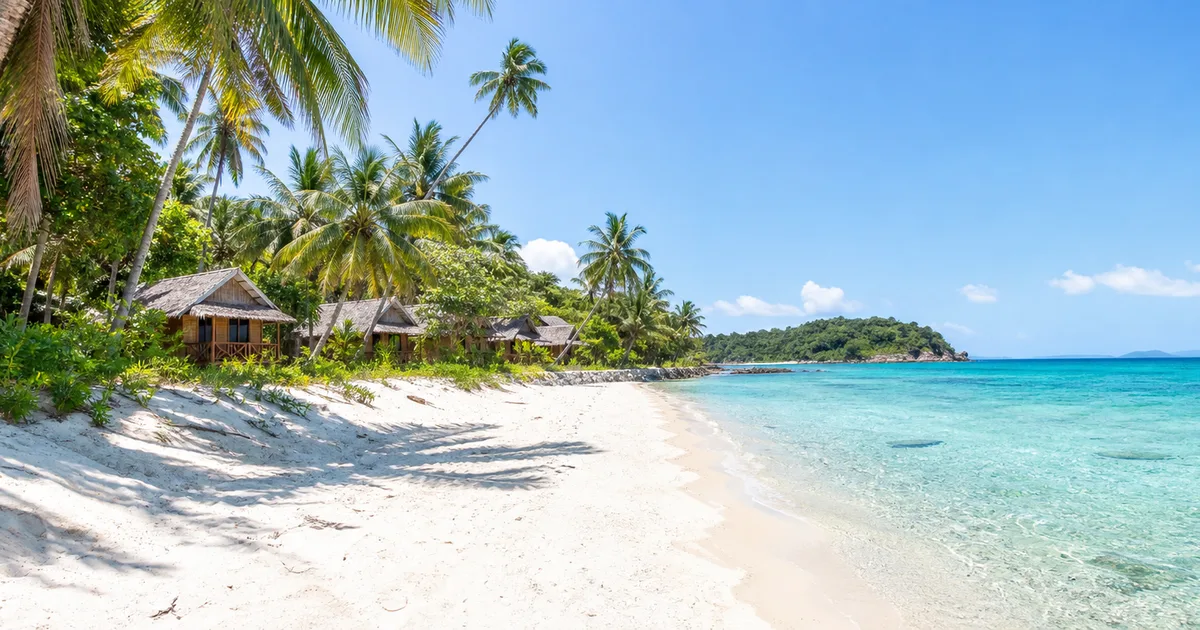
Long Beach, Ong Lang, Bai Sao, and Bai Khem — distances, swim conditions, and what each beach is actually good for by season. Read the guide →
Ready to Book Your Phu Quoc Bungalow?
WhatsApp us your dates and preferred unit — we will confirm availability and the best direct price in 15 minutes. No OTA fees, free cancellation 7 days before.
★ 4.8/5 from 184 guests • Direct booking saves 15-20% • Free cancellation 7 days before
Last updated: