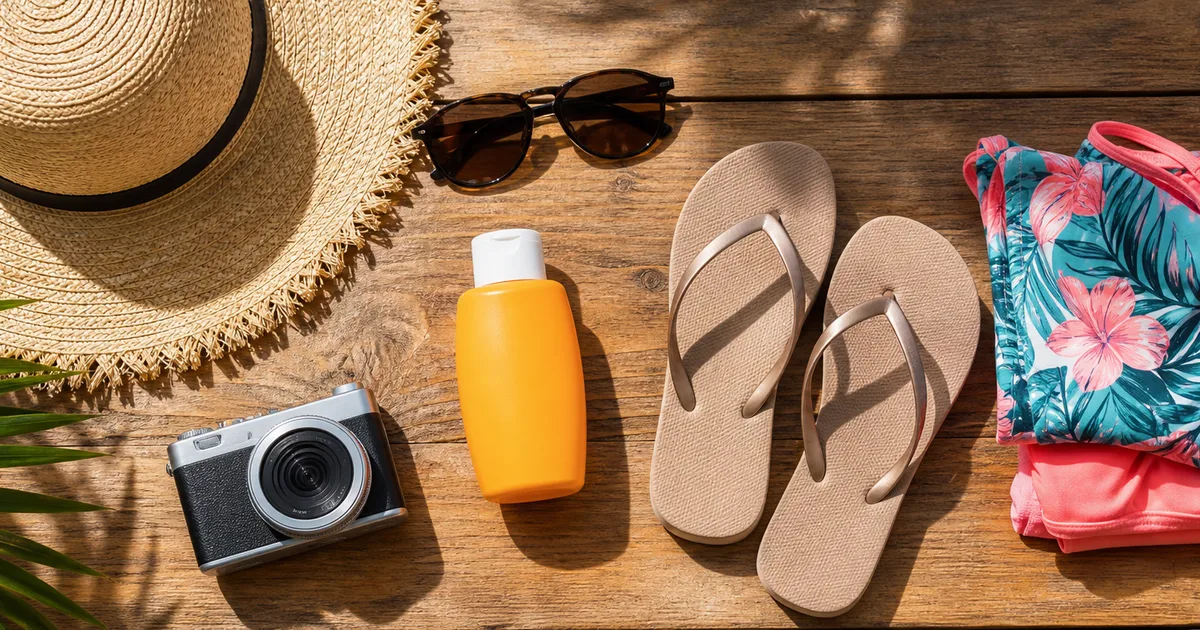
Phu Quoc Bungalow Packing List: What to Actually Bring
By Phu Quoc Bungalow Owners · Updated August 2026 · 7 min read
- Plug adapters: Vietnam uses Type A and Type C sockets at 220V / 50Hz. A universal adapter covers both.
- Sunscreen: reef-safe only — mineral (zinc oxide / titanium dioxide). We enforce this as a house rule for snorkelling.
- Repellent: DEET or picaridin, especially for evenings. Mosquito nets included at the bungalow.
- Dry season (Nov–Apr): light clothes, reef shoes, high SPF — the sun is the main challenge.
- Rainy season (May–Oct): add a compact rain jacket, waterproof bag, and dry bag for your phone.
- Reef shoes are the most-forgotten item — pack them.
What Plug Adapter Do You Need for Phu Quoc Bungalows?
Vietnam runs on 220V / 50Hz, which rules out using American devices directly without a voltage converter — unless they're dual-voltage, which most modern chargers are. The sockets you'll find are Type A (two flat parallel pins, like North America) and Type C (two round pins, like continental Europe). Our bungalows have a mix of both.
A universal travel adapter with A and C compatibility is all you need. Check the label on each device before you go: "Input: 100-240V" means it handles Vietnam's voltage without issue. A charger that says "Input: 110V only" needs a separate voltage converter, which is bulky and rarely worth it — replace the charger before you travel.
One practical point: we have two plug sockets per bungalow at the desk and one near the bed. If you're travelling with a partner, a small travel power strip saves a lot of negotiating over who charges first. Adapters and USB hubs are sold at shops in Duong Dong, but the selection is patchy — bring what you know you'll need.
Why Reef-Safe Sunscreen Matters Here (and What Counts as Reef-Safe)
This is not a suggestion. We ask all guests to use mineral-based sunscreen — zinc oxide or titanium dioxide as the active ingredient — when swimming or snorkelling off our beach. Chemical sunscreens with oxybenzone or octinoxate bleach coral, and the reef patches 200-400 metres offshore from Long Beach are already under pressure from warming water. A rule is a rule.
The practical issue: reef-safe mineral sunscreen is available in Duong Dong, but stock is unpredictable and prices run 30-60% above what you'd pay at home. Bring two bottles for a week's trip. SPF 50+ is sensible — the equatorial sun on Phu Quoc is not something to learn about gradually. I personally use a zinc-based SPF 50+ stick on my face and a lotion for everything else. The stick goes on less white and stays put in the water.
A rash guard or UPF shirt cuts down on how much sunscreen you need for long beach days. If you're planning to snorkel for two hours, a long-sleeve rash guard is more reliable than reapplying cream every 45 minutes. Most guests who get burned do so on the first beach day, before they've calibrated to the actual sun strength here.
Mosquito Repellent: How Much Do You Actually Need?
The bungalows have mosquito nets over the beds and screens on the windows, so sleeping is fine. The repellent is for outdoor time: evening meals on the terrace, forest walks, sitting by the beach at dusk. That window from about 5:30 PM to 7:30 PM is when they're most active.
DEET at 30-50% concentration is the reliable choice and is what I use. Picaridin works nearly as well and feels lighter on skin. The natural alternatives — lemon eucalyptus, citronella — are fine for a half-hour walk but wear off quickly in heat. Don't rely on them for a full evening outside.
Mosquito coils are sold at the minimart 400 metres from our gate for about 15,000-20,000 VND per pack (check current prices). We keep a stock at the bungalow for guests who want them on the terrace. The main thing to bring from home is a 100ml bottle of DEET spray — the local pharmacies in Duong Dong carry it, but the concentration tends to be low (10-15%) and you burn through it quickly.
What Beach Gear Should You Pack for a Bungalow Stay?
Reef shoes — also called water shoes — are the single most-forgotten item in our guests' bags. The sea floor along much of Long Beach is sand, but there are rocky patches and sea urchins in the shallower areas near coral. A pair of thin rubber-soled water shoes costs $10-15 online and saves a real problem. Buy two pairs if you're travelling as a couple. You'll wish you had.
We have snorkelling masks to borrow at the bungalow — ask at check-in and we'll set you up with a mask and fins. What we don't stock: dry bags for the motorbike. If you're renting a motorbike and plan to take your phone and camera to Bai Sao or up to Ong Lang, a 10-litre dry bag is worth its weight. Afternoon rain on a motorbike with an unprotected camera bag is a painful lesson.
A lightweight tote or mesh beach bag handles the rest: reef-safe sunscreen, water bottle, a book, snacks. The beach vendors near our stretch of Long Beach sell drinks and fresh fruit, so you don't need to carry a full day's supplies. See the full amenities list for what's already at the bungalow.
How Should You Dress for Bungalow Life on Phu Quoc?
Bungalow stays are casual by nature. You'll spend most of the day in swimwear, shorts, and a light shirt. For evenings out — the night market in Duong Dong, a restaurant, a tour pickup — a simple dress or clean shirt is entirely appropriate. There are no dress codes at anywhere you're likely to go.
Four to five changes of clothing are enough for a week. Laundry from our property costs around 30,000-40,000 VND per kg (check current rates) and takes about 24 hours. Quick-dry fabrics make sense — cotton takes too long to dry in humidity, and you'll want your clothes ready by morning. Linen is fine. Heavy denim is a mistake.
Footwear: flip-flops for the beach and immediate area, one pair of closed-toe shoes or sandals with straps for motorbike riding and market visits. That's genuinely all you need. I've watched guests arrive with three pairs of trainers and wear the same flip-flops every day.
What Should Go in Your First-Aid Kit?
Keep it practical. The most useful things: antihistamine tablets (jellyfish stings, insect bites, heat rash), ibuprofen or paracetamol, oral rehydration sachets for a day that gets too hot, loperamide for stomach issues, and antiseptic wipes for minor cuts from reef or rocks. Blister plasters if you plan any walking on the first day before your feet adjust.
For jellyfish stings specifically: the treatment is rinsing with seawater (not fresh water), removing any tentacle fragments with a card or tweezers, then applying antihistamine cream. We keep a basic first-aid kit at the bungalow including antihistamine cream and tweezers. The stings you're likely to encounter on Phu Quoc are painful but not dangerous for most people — a box jellyfish incident is extremely rare here, unlike in northern Australian waters.
The Phu Quoc Health Centre is in Duong Dong, about 6 km from our gate, and pharmacies in town are well-stocked for standard medications. Bring enough for a week's contingencies so a minor upset doesn't require a 30-minute motorbike trip at 9 PM.
How Does Packing Change Between the Dry and Rainy Season?
The dry season runs November to April. Sun is the main challenge. The air is drier, temperatures sit at 27-32°C, and rain is infrequent. Pack light cotton or linen clothes, reef shoes, two bottles of high-SPF reef-safe sunscreen, and a light layer for evenings when the sea breeze picks up. A rain jacket would mostly sit unused.
The rainy season is May through October. Rain doesn't mean all-day downpours — it usually means one or two heavy showers in the afternoon, lasting 30-90 minutes, then it clears. Mornings are often fine. The practical adjustments: a compact waterproof rain jacket or poncho (not a heavy mac), a dry bag for electronics on the motorbike, and an extra quick-dry outfit because you will get wet at some point. Moisture-wicking fabrics that dry in two hours rather than six matter more in this season.
Mosquito activity is higher in the wet months, so carry more repellent. The upside: Long Beach has fewer visitors, prices are lower, and Bai Sao — which faces east and stays calm when the west coast gets swell — is at its most swimmable. Full rainy season guide with week-by-week detail here.
For the dry season in detail: what November to April actually looks like, beach conditions, and when to book.
Complete Phu Quoc Bungalow Packing Checklist
Items marked DRY are most important for November-April; RAIN for May-October. Unmarked items apply year-round.
| Category | Item | Notes |
|---|---|---|
| Electronics | Universal travel adapter (Type A + C) | 220V / 50Hz — check device labels |
| Travel power strip or USB hub | 2 sockets per bungalow | |
| Sun protection | Reef-safe sunscreen SPF 50+ (×2 bottles) | Mineral only — zinc oxide / titanium dioxide |
| Rash guard or UPF shirt | Especially for snorkelling sessions | |
| Insects | DEET or picaridin repellent 30-50% | Evenings most active; RAIN — bring extra |
| Beach gear | Reef / water shoes | Most-forgotten item; rocky patches + urchins |
| Dry bag (10L) for motorbike | RAIN — essential; DRY — handy | |
| Lightweight tote / mesh beach bag | Snorkelling masks available to borrow | |
| Clothing | 4-5 quick-dry outfits | Laundry on-site ~30-40k VND/kg |
| Light rain jacket / poncho | RAIN — essential; DRY — optional | |
| Flip-flops + one pair of closed-toe shoes | Closed toes for motorbike and markets | |
| First aid | Antihistamine tablets + cream | Jellyfish stings, bites, heat rash |
| Ibuprofen / paracetamol | ||
| Oral rehydration sachets | Heat + humidity; RAIN — also useful | |
| Loperamide + antiseptic wipes | Street food days | |
| Blister plasters | First full day on foot or reef shoes |
Frequently Asked Questions
What plug adapter do I need for Phu Quoc bungalows?
Vietnam uses Type A (two flat parallel pins) and Type C (two round pins) sockets at 220V / 50Hz. A universal travel adapter covers both. If your devices are dual-voltage (100-240V, which most phones, laptops, and camera chargers are), you only need the adapter — no voltage converter required.
Is reef-safe sunscreen required at Phu Quoc bungalows?
We ask guests to use reef-safe sunscreen — mineral-based with zinc oxide or titanium dioxide, no oxybenzone or octinoxate. Vietnam does not yet legally ban chemical sunscreens at beaches, but the coral near Phu Quoc is under real pressure and we enforce this as a house rule for snorkelling off our beach.
Do I need mosquito repellent on Phu Quoc?
Yes — pack DEET (30-50%) or picaridin repellent, especially for evening hours. The bungalows have mosquito nets over the beds and screens on the windows, but a repellent spray is useful for outdoor dinners and forest walks. Mosquito coils are available at local shops for around 15,000-20,000 VND per pack.
What should I pack differently for the rainy season vs the dry season?
For the dry season (November to April) pack lightweight clothes, reef shoes, and high-SPF sunscreen — the sun is intense. For the rainy season (May to October) add a compact rain jacket or poncho, quick-dry clothes, and a waterproof bag for day trips. A dry bag for your phone is genuinely useful when riding a motorbike in a downpour.
Do bungalows on Phu Quoc provide towels and toiletries?
Our bungalows include beach towels, bath towels, shampoo, conditioner, and body wash. We do not stock reef-safe sunscreen or insect repellent — bring those from home or buy them in Duong Dong town, about 6 km from our gate. Check the specific amenities list for your chosen bungalow type before packing.
Can I buy reef-safe sunscreen on Phu Quoc?
Reef-safe mineral sunscreen is available in Duong Dong at a few pharmacies and at the larger supermarkets, but selection is limited and prices run 30-60% higher than at home. Bring at least two bottles from home — one for your bag, one as backup. Running out on a sunny December week and relying on whatever the corner shop stocks is a gamble.
What beach gear should I bring to a Phu Quoc bungalow?
Reef or water shoes are the most useful thing most guests forget. The sea floor at some spots has rocks and sea urchins. Beyond that: a rash guard or UPF shirt for long snorkelling sessions, a dry bag for the motorbike, and a lightweight tote for beach days. Snorkelling masks are available to borrow at the bungalow — ask at check-in.
How many outfits do I need for a week in a Phu Quoc bungalow?
Four to five changes of clothes are enough for a week — bungalow life is casual and a laundry service runs from our property for around 30,000-40,000 VND per kg (check current rates). Quick-dry fabrics mean you can rinse a set in the evening and wear it the next morning.
What medicine should I pack for a Phu Quoc trip?
Pack a basic kit: antihistamine (for jellyfish stings or allergic reactions), ibuprofen, rehydration sachets, diarrhoea tablets, antiseptic wipes, and blister plasters. A Phu Quoc Health Centre is located in Duong Dong roughly 6 km away, and there are pharmacies in town for top-ups, but having your own supply saves a motorbike trip.
Is a rain jacket necessary for the dry season on Phu Quoc?
Not strictly — brief afternoon showers do occasionally pass through even in the dry season, but they are short and warm. A light layer for cooler evenings is more useful than a waterproof jacket. If you are visiting November to April you can leave the rain gear at home and pack sun protection instead.
About the Authors
We've run bungalows on Long Beach since 2018. This packing guide started as a note on the wall of our check-in hut — the same six things guests wished they'd brought. We wrote it out properly after the fourth guest in a row asked about plug adapters on arrival. If anything here has changed or doesn't match what you find on the ground, message us and we'll update it.
Related Guides
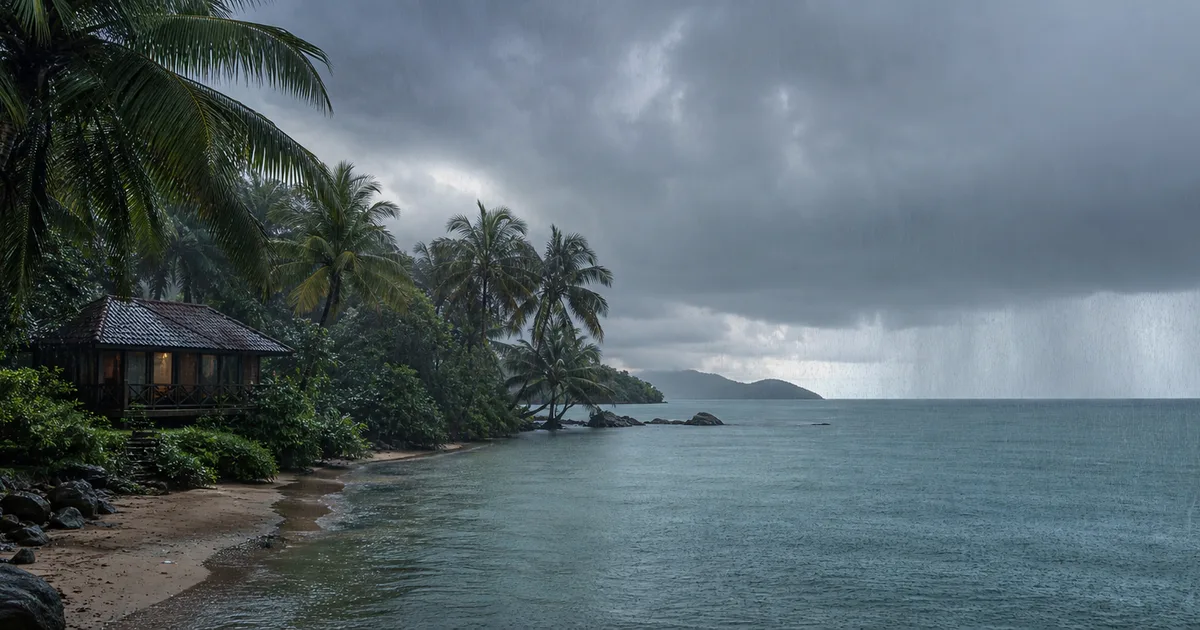
Rainy Season Bungalow Tips for Phu Quoc
What May-October is actually like: which activities still work, how to use Bai Sao when Long Beach gets rough, and what to expect week by week. Read the guide →

Phu Quoc Dry Season: Bungalow Travel Guide
November to April on Phu Quoc — conditions by month, what fills up first, and the specific weeks that are worth paying peak rates for. Read the guide →
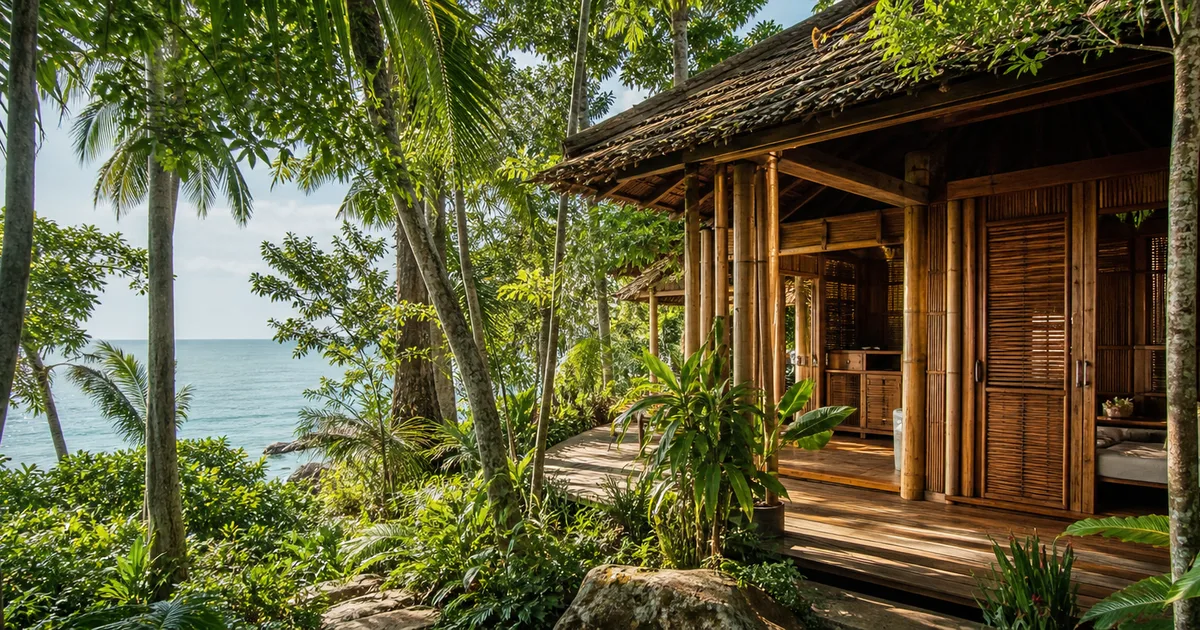
Eco Bungalows on Phu Quoc — What to Expect
Rainwater collection, solar hot water, reef-safe policy, composting — what our eco bungalows actually do and why it matters for your stay. Read the guide →
Ready to Book Your Phu Quoc Bungalow?
WhatsApp us your dates and preferred area — we'll confirm availability and the best direct price in 15 minutes. No OTA fees, free cancellation 7 days before.
★ 4.8/5 from 184 guests • Direct booking saves 15-20% • Free cancellation 7 days before
Last updated: